


A new mini craze has been spotted! They’ve been disappearing from shelves and appearing in the hands of young kids to teenagers all over America, including within our own community. You’ve seen it, you’ve heard about it: Nee-Dohs! The little toys that come in many variations, designed for relieving stress, increasing focus, and brings out the inner child in all of us. It’s a fun and cool new trend that most have come to familiarize themselves with. However, it begs the question that many adults and parents ask about trends: Just what is so good about them? And quite frankly, I’ve been wondering myself. In the observation of this new trend arising hoping to look for the answer to this question, I’ve noticed patterns within other teenagers that we ourselves aren’t even aware of nor think about and it’s connection to the increase in Nee-doh popularity. Is Nee-doh just another fad or does it say more than meets the eye about teenage society nowadays? 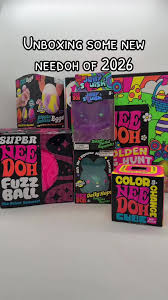
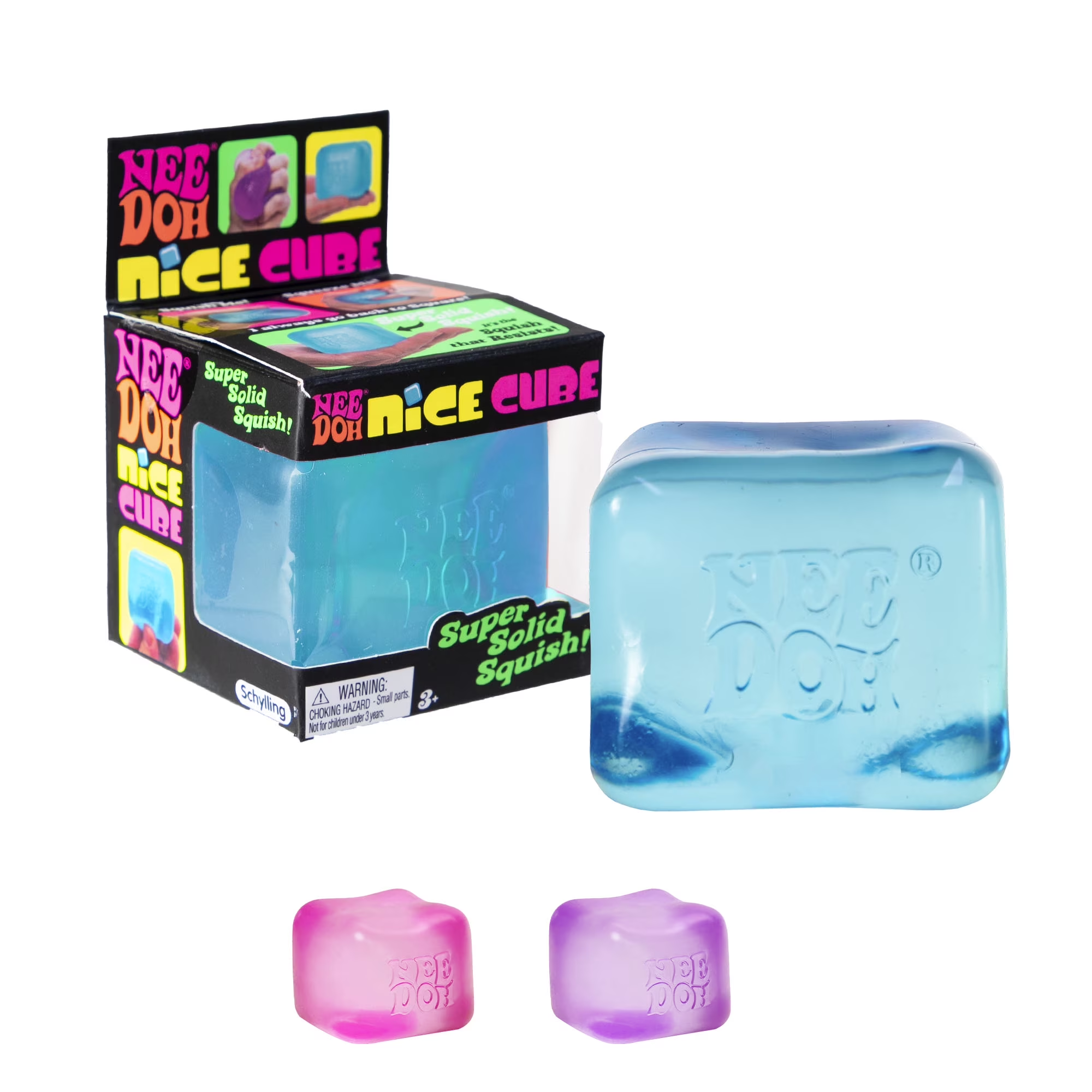
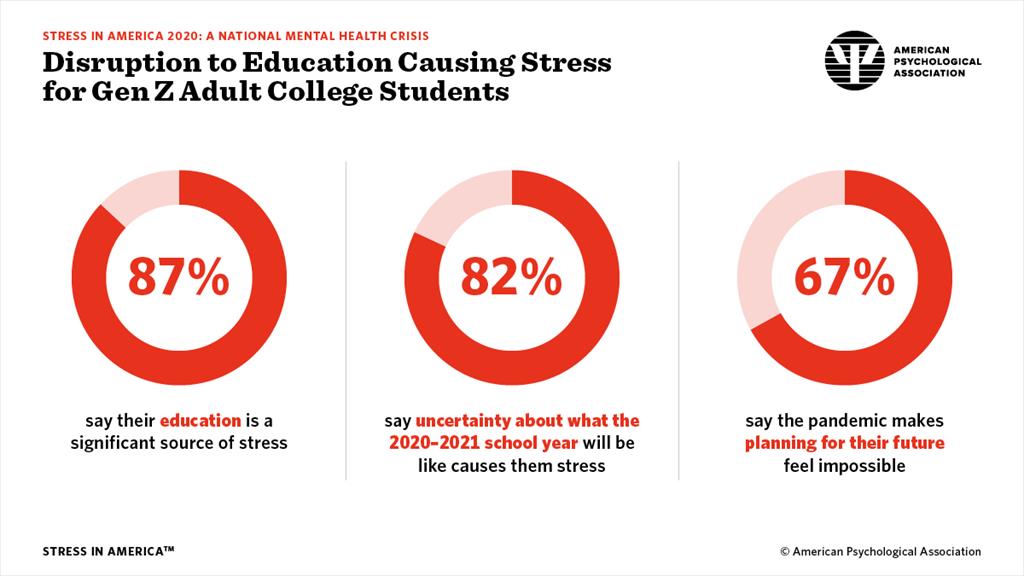
The obvious conclusion that would explain the sudden popularity rise of Nee-Dohs is that something made for stress will attract customers that are stressed. Eventually targeting that demographic for maximum profit. The simple explanation: More stressed out teenagers result in more consumption of stress relieving products. It’s not a crazy thing to say that teenagers these days are put under a lot more pressure to get good grades and build up their resumés and keep up with social circles and having the weight of their whole future placed right on them with a depreciating economy, along with the ignorance within society towards their mental health. According to the American Psychological Association (APA) Stress in America Survey, 83% of teenagers in 2026 say academics cause the majority of their stress. It’s a lot. It’s stressful. That just scratches the surface of what teenagers have to carry as that list doesn’t even include other factors that can’t always be controlled such as ADHD and autism.
On one side, it’s alarming to see the rise in stress levels among young adults and teens, as well as the need for consumerism to resolve societal, mental, and emotional pressures. However, on the flip side, it’s uplifting to see a potential increase in awareness and acceptance of methods that moderate stress and neurodivergency. In popularizing Nee-Doh, it destigmatizes the use of fidget toys as being “childish.” No matter how it’s framed, Nee-Dohs are fidget toys, and there’s simply nothing wrong with that. It’s a step up from a regular-degular stress ball that’s marketed towards kids and teenagers!
If you own a Nee-Doh or wanting to get one, are your personal reasons and experiences surrounding the Nee-Doh? For those who don’t own a Nee-Doh and aren’t planning on getting one, what are your opinions about this new craze?